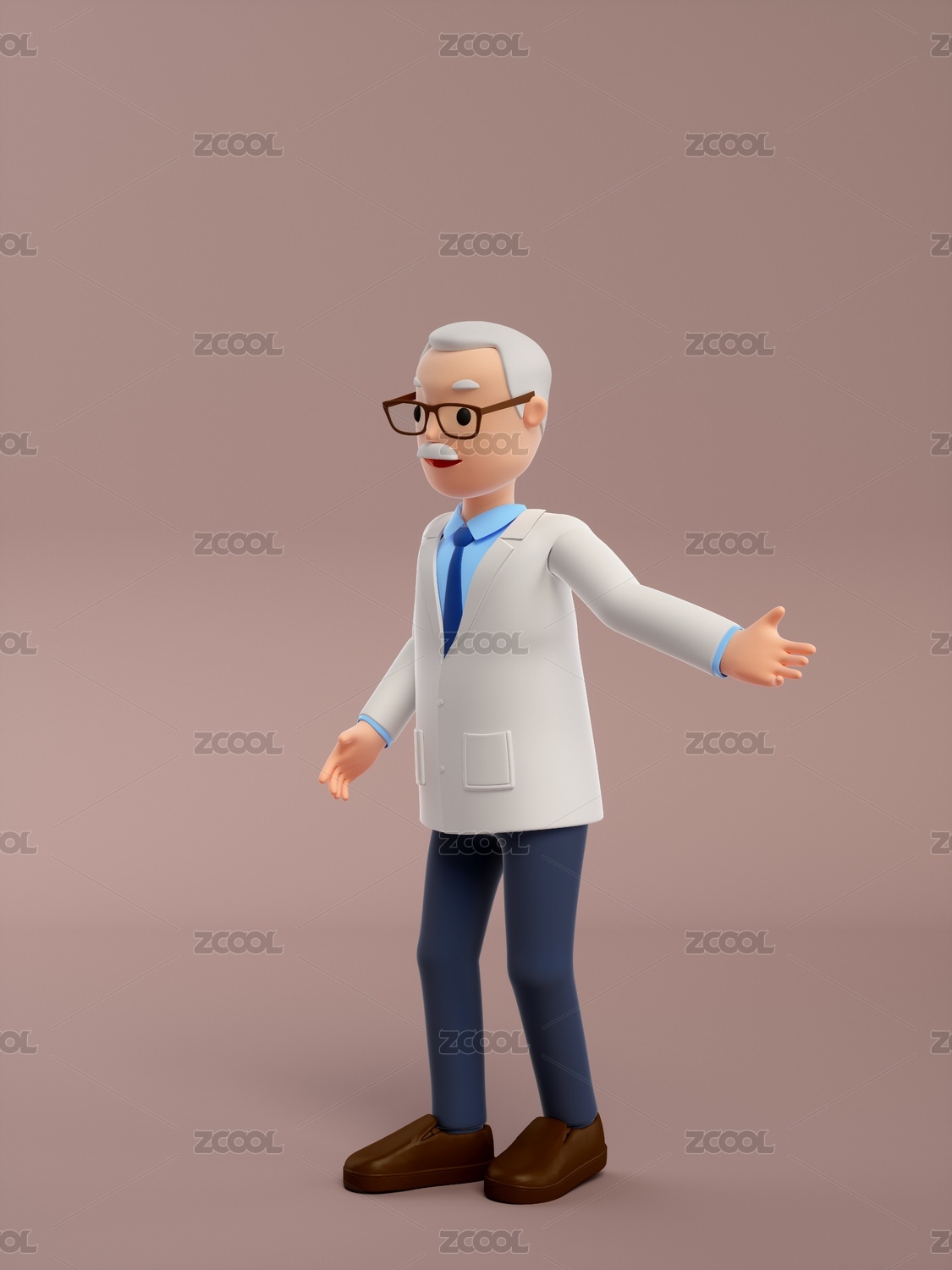
Game characters: a necessary element in game design

Game characters: a necessary element in game design
In game design, game characters are an essential element. Game characters not only serve as a bridge between players and the virtual world, but also play a crucial role in driving the game plot and enhancing the overall gaming experience. For a great game, an exceptional game character can add infinite charm and playability, immersing players in the game world.
First, a good game character needs a unique appearance and voice that exudes its distinct charm and appeal. The appearance can be designed through clothing, equipment, skin tone and other features that reflect the character's personality traits. Voice can be expressed through the character's language, sound effects, and dubbing. A character with a distinctive appearance and voice can leave a deep impression on players, increasing the game's playability and making them more invested in the game.
Furthermore, game characters need clear objectives and tasks. Different roles, such as protagonists, antagonists, supporting roles, represent different objectives and tasks. In the game, the character's goals and missions not only reflect the character's value but also fuel players' enthusiasm for the game. A good game character should challenge players and give them a sense of accomplishment to keep them engaged.
In addition, game characters also require a clear backstory and personality traits. Characters with depth and subtlety can attract players' attention and curiosity about their past and personality traits. Game developers can enrich a character's personality by designing their family background, life experiences, values, etc., gradually revealing this information throughout the game. This approach can make players resonate with the game character, bringing them closer to the character's life and exhibiting better user experience.
Lastly, contemporary game design is increasingly focused on "user experience" and "player experience," even including "sensory experience." Therefore, sensory performance is another important aspect of considering how a character interacts in-game; for example, in a war game, when a player manipulates the character from a sandy beach to snowy terrain, the speed of the character might slow down. In-game scene transitions should deepen players' immersion and balance their perception in the environment.
In game design, game characters are not just part of the game's graphics; they are vital components driving the game plot and improving overall gaming experience. A great game character should possess a unique appearance and voice, clear objectives and tasks, and a rich backstory and personality traits. Only then can game characters leave a deep impression on players, providing a better user experience, and pushing games towards more diverse and enriching directions.